INTRODUCTION TO LASER DENTISTRY
LASER stands for Light Amplification by the Stimulated Emission of Radiation. The instrument creates light energy in a very narrow and focused beam. This narrow focused beam produces a reaction when it hits the tissue, allowing it to remove or shape the tissue.
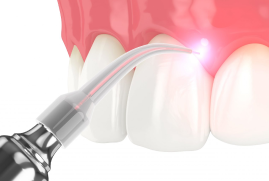
Advanced Laser Equipment in Dentistry
Nowadays, a variety of dental diseases are treated with lasers in dentistry. Compared to drills or other non-laser instruments, it has provided a more comfortable treatment option for some dental operations involving tissues. Numerous operations can be performed with laser dentistry, such as:
- Treating hypersensitivity
- Treating gum diseases
- Treating gum pigmentation
- Treating tooth decay
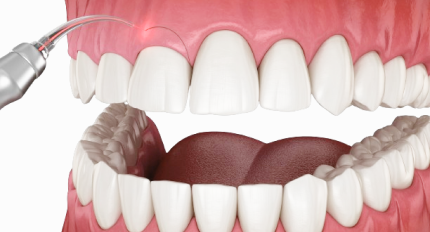
Gum Disease Treatment Using Laser
BENEFITS OF LASER DENTISTRY
Laser Dentistry is a cutting-edge method to dental care that has numerous advantages over traditional procedures. We are happy to provide this state-of-the-art equipment in our office to enhance your dental visit.
Here’s why laser dentistry might be the right choice for your next dental procedure:
- Gentler Procedures: Minimally invasive, especially for soft tissue work—less discomfort and quicker recovery times.
- Less Bleeding, More Comfort: The laser’s heat seals blood vessels as it works, creating a cleaner, more comfortable experience.
- Reduced Need for Anesthesia: Many procedures don’t require anesthesia, helpful for sensitive or anxious patients.
- Lower Infection Risk: Lasers sterilize as they go, reducing the possibility of bacterial infections.
- Better Results, Quicker Healing: Faster healing due to the accuracy of lasers, with some procedures encouraging tissue regeneration.
- Preserving Your Natural Smile: Precise targeting preserves healthy tooth structure and keeps your natural smile intact.
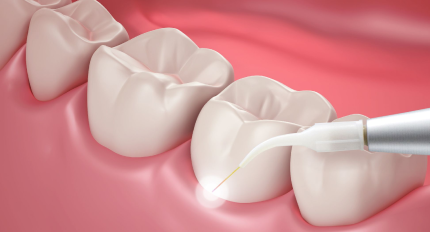
Cosmetic Dental Applications of Laser
Modern, efficient dental care is offered by laser dentistry, covering everything from straightforward operations to more complex treatments. Our personnel have undergone significant training in these techniques. Inquire with us about the advantages of laser dentistry, whether you’re seeking a simpler or more involved procedure. Discover the dental care of the future now!
Common Procedures in Laser Dentistry
Some of the most commonly performed procedures in Dentistry include:
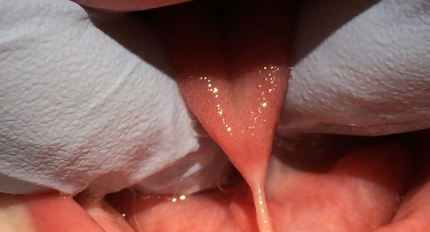
Laser Dental Procedure in Progress
- Gummy smile treatment: Lasers reshape gum tissue associated with gummy smiles (excess gum length over teeth).
- Crown Lengthening: Reshapes gum and bone for healthier, longer-appearing tooth structure.
- Treating tongue frenulum attachment: Corrects tongue-tie in children for better breastfeeding and speech.
- Removing soft tissue folds: Painless removal of tissue folds from ill-fitting dentures, without sutures.
Laser Dentistry Cost
Laser treatment cost varies by procedure and equipment. Compared to non-laser treatment, laser can be slightly more expensive, but often requires fewer sessions.
What to Expect During a Laser Dentistry Procedure
Preparation:
- Schedule an appointment with your dentist
- Discuss your dental issues and confirm if laser treatment is recommended
- Ask any questions you may have about the procedure
During the Procedure:
- The process is generally simple, similar to a tooth filling
- No drilling is involved; the laser does all the work
- You should experience minimal pain or discomfort
- Your dentist will open your mouth to access the treatment area
- Some bleeding may occur, which the dentist will promptly address
- The laser precisely targets the affected area
Post-Procedure Care and Recovery:
- Expect less bleeding compared to traditional dental procedures
- No open wound should be present at the treatment site
- Lower risk of infection than with conventional treatments
- Minimal to no pain or swelling in most cases
- If severe pain or swelling persists for more than a day, contact your dentist immediately
- Follow any specific aftercare instructions provided by your dentist
FREQUENTLY ASKED QUESTIONS
Q.1. What Is Laser Dentistry Used For?
Gum disease treatment, reducing tooth sensitivity, teeth whitening, removing lesions, taking biopsies, reshaping gums.
Q.2. Does Laser Dentistry Hurt?
Laser dentistry usually hurts less than traditional methods. Patients often need less or no anesthesia.
Q.3. How Does Laser Dentistry Work?
It uses focused light beams to treat dental issues. Lasers can vaporize or shape tissue precisely.
Q.4. Is Laser Dentistry Better?
Laser dentistry can be better for precision, comfort, and healing—although some situations still need traditional methods. Always consult your dentist.
Q.5. How Do Lasers Work for Frenectomies?
For frenectomies, lasers cut and seal tissue under the tongue or lip, reducing bleeding and speeding healing.
Q.6. Is Laser Treatment Only for Adults?
No—laser dentistry works for all ages, including children.
Q.7. Is Laser Dentistry Safe?
Yes, when done by trained professionals. Dentists must follow safety rules and use eye protection.
Q.8. Are Lasers Painful?
Lasers typically cause little to no pain during dental procedures.
Q.9. Can Laser Dentistry Prevent Tooth Extraction?
In some cases, yes—by treating gum disease, cavities, or early root infection.
Q.10. Is Laser Dentistry more expensive?
It can be, due to the cost of equipment and training, but may save on sessions and recovery time.
Q.11. How do I know my dentist has received the necessary training to utilize a laser?
Ask for your dentist’s credentials and their experience with laser treatments.
Q.12. Is anesthetic needed with Laser treatment?
Often no, but it depends on the procedure.
Q.13. Are there any negative Laser side effects?
Rarely, but may include tissue damage, sensitivity, or infection if not properly done—choose an experienced dentist.
Q.14. How long does Laser treatment last?
Laser procedures are typically faster than traditional treatments. Duration depends on complexity—sometimes just a few minutes.
Q.15. Can a Laser help with dental phobia?
Yes—the quieter, more precise, and less invasive method often helps patients who are afraid of dental drills.